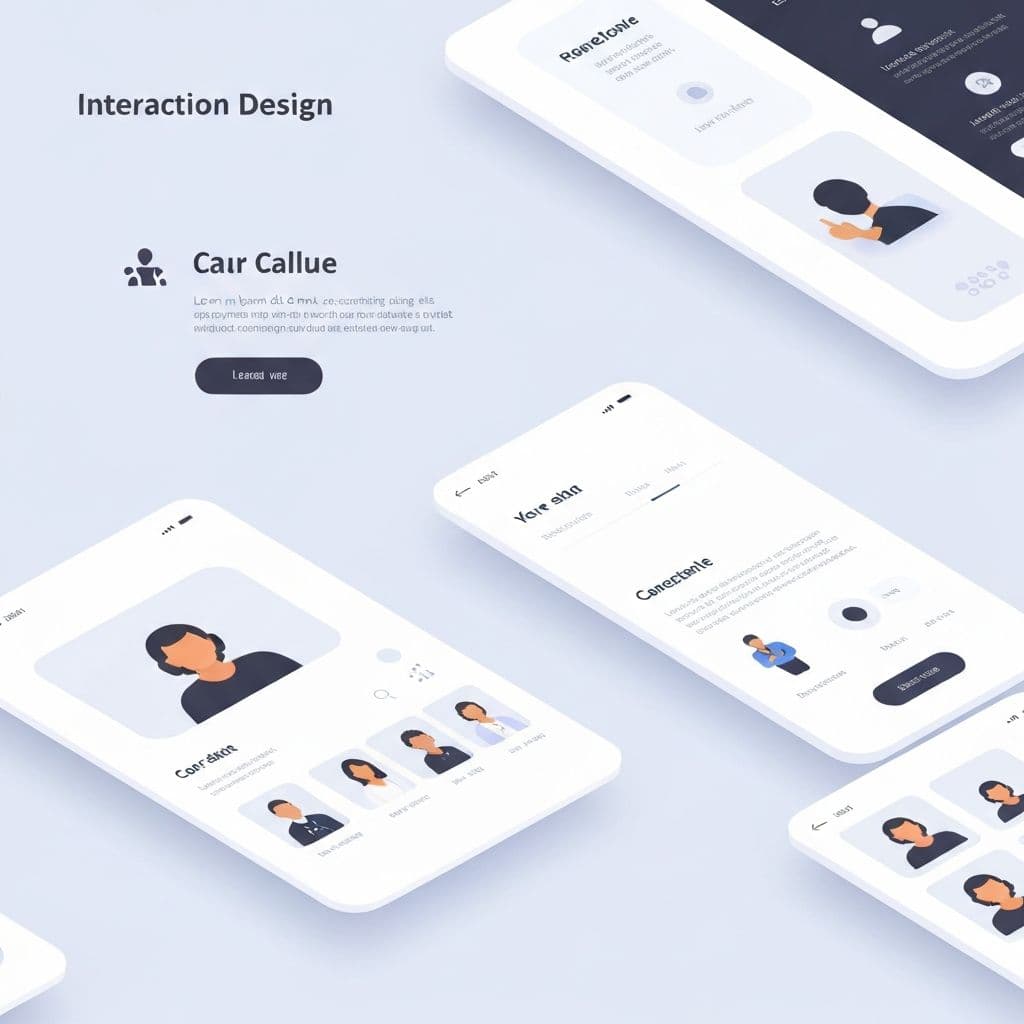
User experience design is evolving at an unprecedented pace. The convergence of AI, spatial computing, voice interfaces, and accessibility-first design is creating new paradigms for how users interact with digital products. As we move through 2025, these trends are reshaping expectations and raising the bar for what constitutes a great user experience. Here are the most impactful UX design trends that every product team should be aware of.
AI-Powered Personalization
AI is transforming UX from one-size-fits-all to individually tailored experiences. Modern products use machine learning to adapt interfaces, content, and workflows based on individual user behavior, preferences, and context. Netflix adapts its thumbnail images based on what each user is likely to click. Spotify creates personalized playlists that feel hand-curated. In 2025, this level of personalization is becoming the baseline expectation across all digital products.
Designing for AI personalization requires a different mindset. Instead of designing a single user flow, designers must create flexible systems that can adapt. This means designing components that work in multiple contexts, establishing clear personalization rules, and creating fallback experiences for when AI predictions are wrong.
Spatial and Immersive Interfaces
With Apple Vision Pro, Meta Quest, and other spatial computing devices gaining traction, designers must think beyond flat screens. Spatial interfaces introduce depth, gesture, and eye tracking as input methods. The principles of good spatial UX include maintaining user comfort, providing clear spatial hierarchy, and ensuring interactions feel natural and intuitive. Even traditional web and mobile apps are incorporating 3D elements and spatial metaphors to create more engaging experiences.
Micro-Interactions and Motion Design
Subtle animations and micro-interactions have moved from nice-to-have to essential. They provide feedback, guide attention, communicate state changes, and add personality to digital products. The key is restraint: every animation should serve a purpose. Loading indicators, hover states, transition animations, and success confirmations all contribute to a polished, professional experience that users notice and appreciate.
- Purpose-driven animation: Every motion should communicate something meaningful.
- Performance-conscious: Animations must be smooth at 60fps even on mid-range devices.
- Accessible: Respect prefers-reduced-motion settings and provide alternatives.
- Consistent: Establish a motion system with defined easings, durations, and patterns.
Accessibility-First Design
Accessibility has shifted from an afterthought to a core design principle. With increasing regulatory requirements (ADA, WCAG 2.2, European Accessibility Act) and growing awareness of inclusive design benefits, teams are embedding accessibility from the very first design sprint. This includes designing for screen readers, ensuring sufficient color contrast, supporting keyboard navigation, and creating clear focus states. Accessible design benefits everyone, not just users with disabilities.
Design Systems at Scale
Mature design systems have become critical infrastructure for product teams. In 2025, design systems go beyond component libraries to include design tokens, animation guidelines, content patterns, accessibility specifications, and AI-driven design assistance. Tools like Figma's variables and design tokens enable seamless translation from design to code, reducing handoff friction and ensuring consistency across products and platforms.
Voice and Conversational Interfaces
As AI assistants become more capable, voice and conversational interfaces are expanding beyond smart speakers into enterprise applications, customer service, and productivity tools. Designing for conversation requires understanding natural language patterns, providing clear feedback, handling errors gracefully, and knowing when to switch between voice, text, and visual interfaces. The best conversational experiences feel natural while being transparent about their capabilities and limitations.
Dark Mode and Adaptive Theming
Dark mode has gone from a trend to a standard feature. But in 2025, the concept has evolved into adaptive theming that considers time of day, ambient light, user preferences, and device capabilities. Designing for multiple themes requires careful color system planning, with semantic color tokens that maintain readability and hierarchy across all variants.
Conclusion
The UX landscape in 2025 demands designers who can think in systems, design for AI, consider spatial dimensions, and prioritize accessibility. At Bitropix, our design team stays at the forefront of these trends, creating digital experiences that are beautiful, functional, and inclusive. Contact us to learn how we can elevate your product's user experience.
Ananya Singh
Cloud Solutions Architect
Ananya Singh is a member of the Bitropix team, contributing insights on design and related topics. With deep industry experience, they help businesses navigate technology challenges and drive innovation.